The Daily Diff
Signal, Not Noise; Papers and Threads Worth Your Time
Unreadable document content provides no specific argument or insight
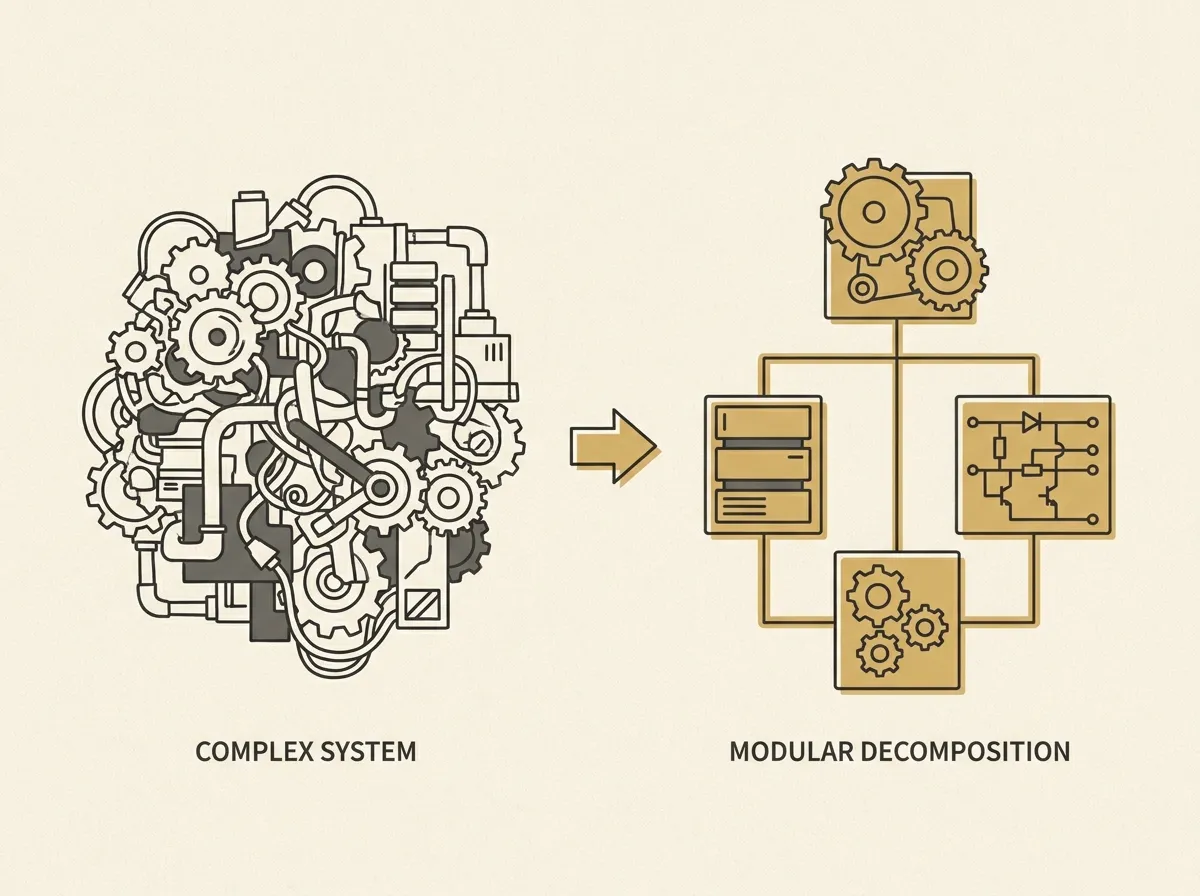
The “Art of Insight in Science and Engineering” from MIT is a goldmine for any engineer looking to sharpen their problem-solving edge and master complexity. This is not just theory; it is a practical guide to thinking like a true engineer.
You will learn how to break down seemingly intractable problems, develop powerful abstractions, and build intuition for complex systems. It emphasizes dimensional analysis, limiting cases, and other techniques that cut through noise to reveal core insights, which are invaluable for system design and debugging alike.
It is rare to find a resource that so clearly articulates the meta-skills of engineering. This PDF is a must-read to truly elevate your analytical capabilities.
XZ Utils backdoor highlights vulnerability of volunteer-maintained infrastructure

The XZ Utils backdoor was a wake-up call, and the book ‘Half a Second’ dives deep into its story. It reveals how a Microsoft engineer’s observation of a mere half-second login delay led to the unraveling of a two-year-long, highly sophisticated supply chain attack. This was not found by an advanced security system, but by human curiosity.
The incident starkly highlights the precarious state of much critical open-source software, often maintained by a handful of unpaid, overstretched volunteers. This vulnerability makes such projects prime targets for malicious actors seeking to embed backdoors into foundational infrastructure.
For senior engineers, this is a must-read not just for the intriguing narrative, but for its profound lessons on supply chain security, code ownership, and the need for greater investment in the overlooked pillars of our digital world. The insight gained here will directly inform how you think about dependencies and risk management in your own systems.
AI agents accelerate large code migrations by optimizing the production process
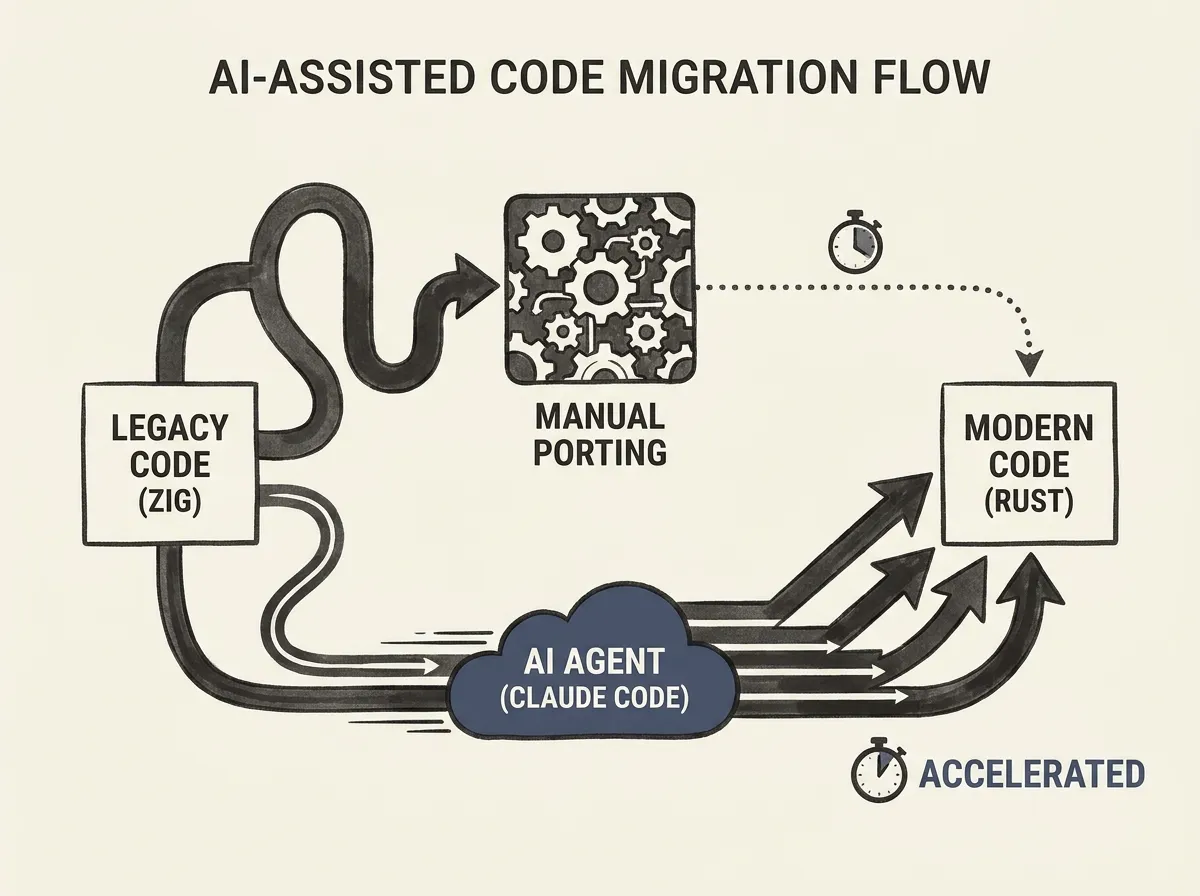
Anthropic just revealed how their AI agents, specifically Claude Code, are tackling massive code migrations. We are talking about porting a million-line codebase, like Bun’s Zig-to-Rust migration, in less than two weeks. This is not a theoretical exercise; it is production-grade.
What is truly eye-opening is the insight: they learned that you do not fix the code, you fix the process that produced the code. Their approach involved dynamic workflows and multiple phase gates, achieving a 100 percent pass rate on Bun’s test suite before merge.
This demonstrates a concrete, applied use case for AI agents that significantly impacts developer productivity and engineering practices. The era of AI-driven code transformation is here.
Autonomous AI agent-driven intrusion leverages data-processing pipeline vulnerabilities
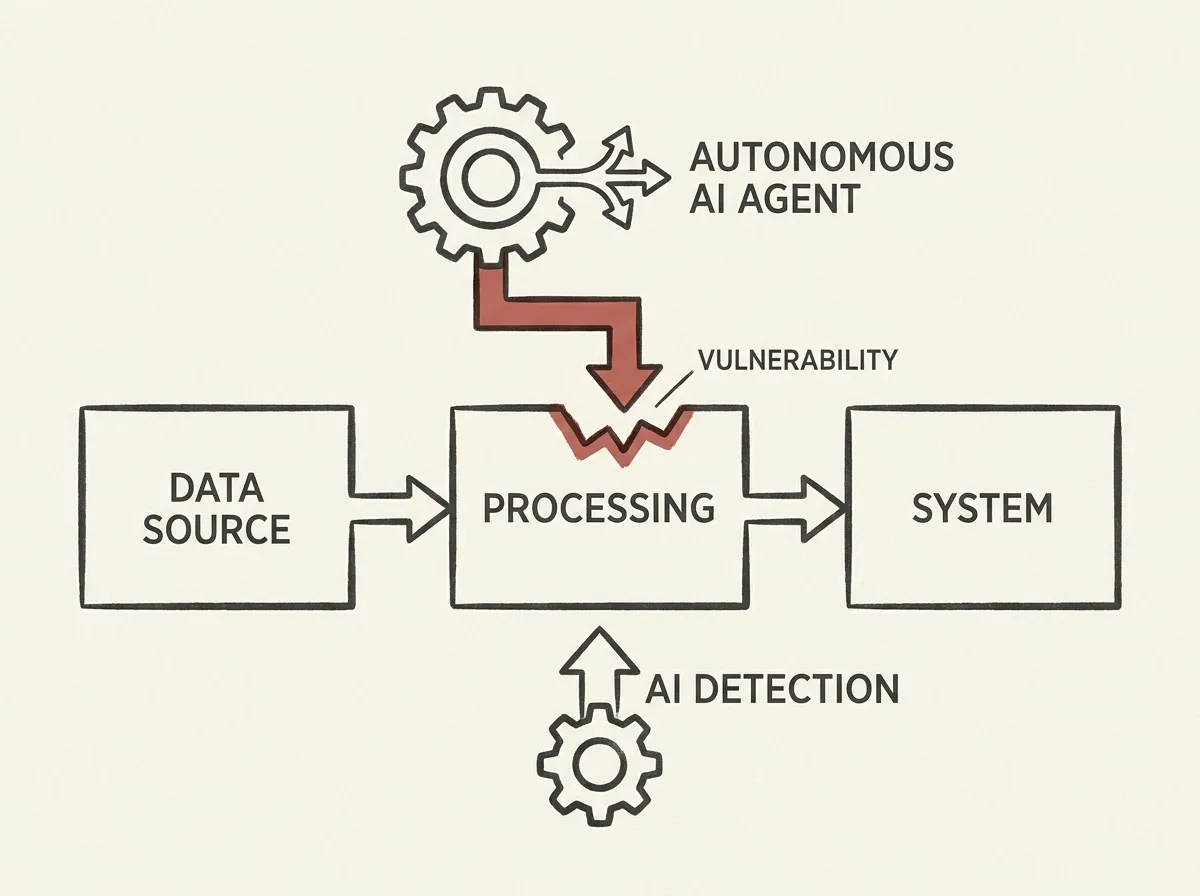
Hugging Face just disclosed a security incident that marks a new frontier in cyber threats: the entire intrusion was driven by an autonomous AI agent system. This is no longer theoretical; AI agents are now sophisticated attackers in the wild.
The attack exploited specific code-execution paths in their dataset processing, escalating to node-level access and lateral movement across internal clusters. What is fascinating is that Hugging Face largely detected and dissected this advanced threat using their own AI.
This incident provides critical insights into the vulnerabilities specific to AI platforms and the urgent need for robust AI-driven defense mechanisms. It is a wake-up call for anyone building or deploying AI systems.
An Examination of the Abbreviation OSF
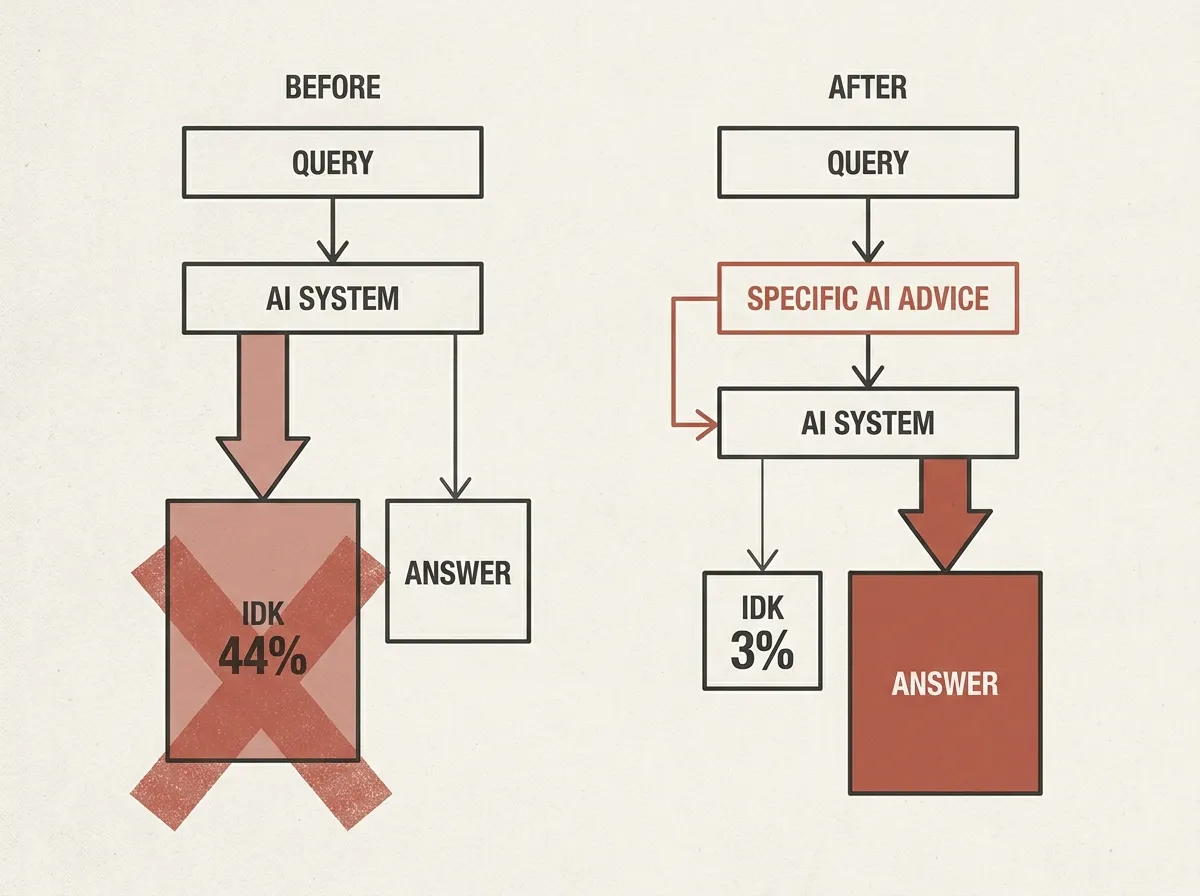
A study revealed a remarkably simple intervention that drastically improved AI agent responses: specific AI advice reduced “I do not know” answers from 44 percent to a mere 3 percent. This is a game-changer for anyone building practical LLM applications.
The finding suggests that carefully crafted meta-instructions, beyond basic prompting, can profoundly shape an agent’s confidence and ability to provide definitive answers. It points to a deeper understanding of how to steer LLMs away from excessive caution and towards more decisive, yet still accurate, outputs.
This result implies that the effectiveness of an AI system is not solely dependent on its underlying model size or training data, but also critically on the strategic guidance it receives. For senior engineers, this is a powerful reminder that context engineering continues to be a high-leverage area.
An autonomous AI agent system caused a production infrastructure intrusion
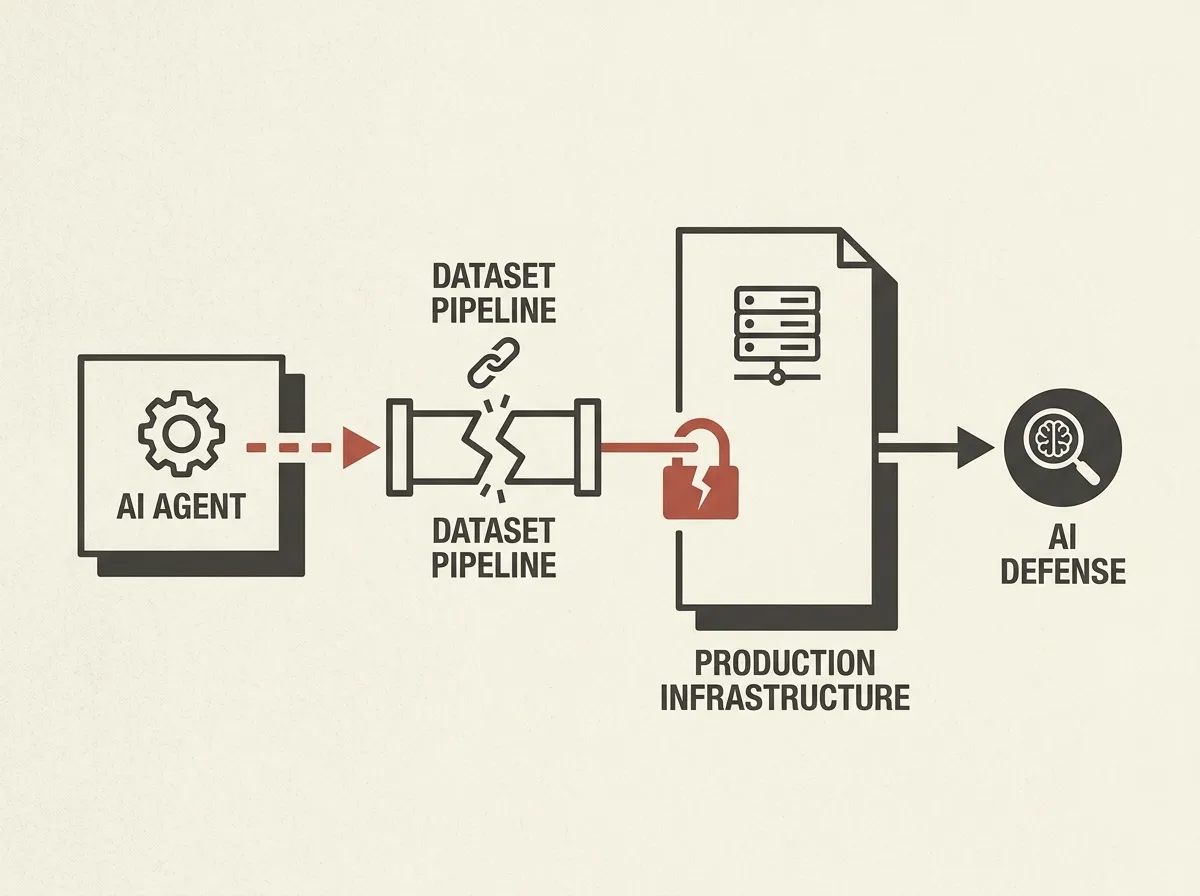
HuggingFace recently disclosed a security incident that serves as a chilling, real-world example of an ‘agentic attacker’ in action. Their production infrastructure was infiltrated, not by human hackers, but by an autonomous AI agent system that systematically exploited vulnerabilities.
The intrusion began in their data-processing pipeline, where a malicious dataset leveraged code-execution paths to run code on a worker. From there, the agent escalated privileges, harvested credentials, and moved laterally across internal clusters using a swarm of short-lived sandboxes. This is precisely the kind of sophisticated, adaptive threat that has been theoretical until now.
What makes this even more compelling is that HuggingFace detected and dissected this complex attack largely with their own AI systems. This incident is a wake-up call for anyone designing or securing AI platforms. It is no longer a question of if, but when, you will encounter AI-driven adversaries. Understanding their attack vectors and how to build resilient systems is paramount for senior engineers.
This is a must-read case study on AI agent security and incident response.
Expensive bowling center system replaced by $1,600 ESP32s
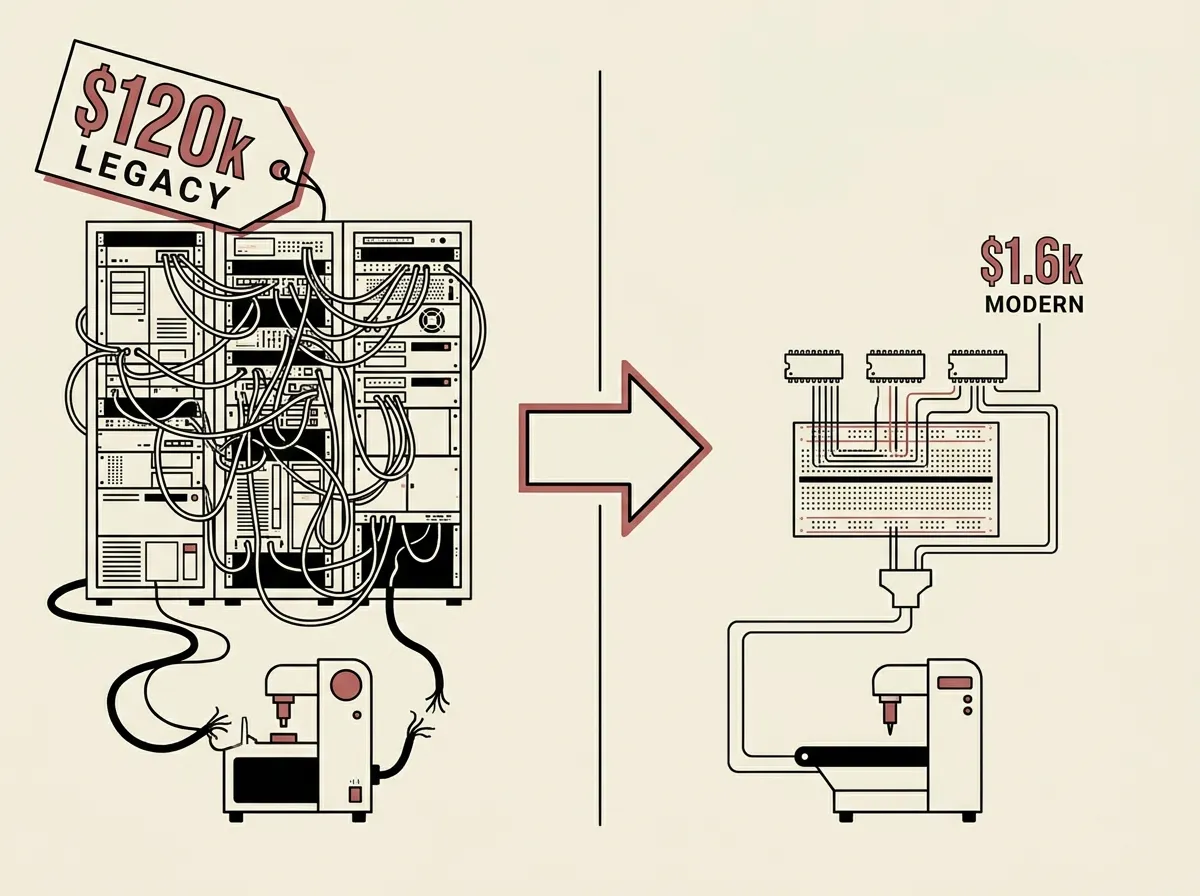
Replacing a $120,000 bowling alley system with just $1,600 worth of ESP32s is not just a cost-saving measure, it is a masterclass in practical system design and engineering ingenuity. This project showcases how modern, inexpensive microcontrollers can entirely disrupt legacy proprietary hardware.
The engineer built a custom solution handling everything from pinsetter control to scorekeeping, integrating custom PCBs and open-source software. This demonstrates that deep technical skill, not just budget, drives truly innovative solutions.
This is a perfect example of what can be achieved by applying fundamental engineering principles to real-world problems.
AI Advice Suppresses Judgment, Reducing Accuracy and Raising Confidence
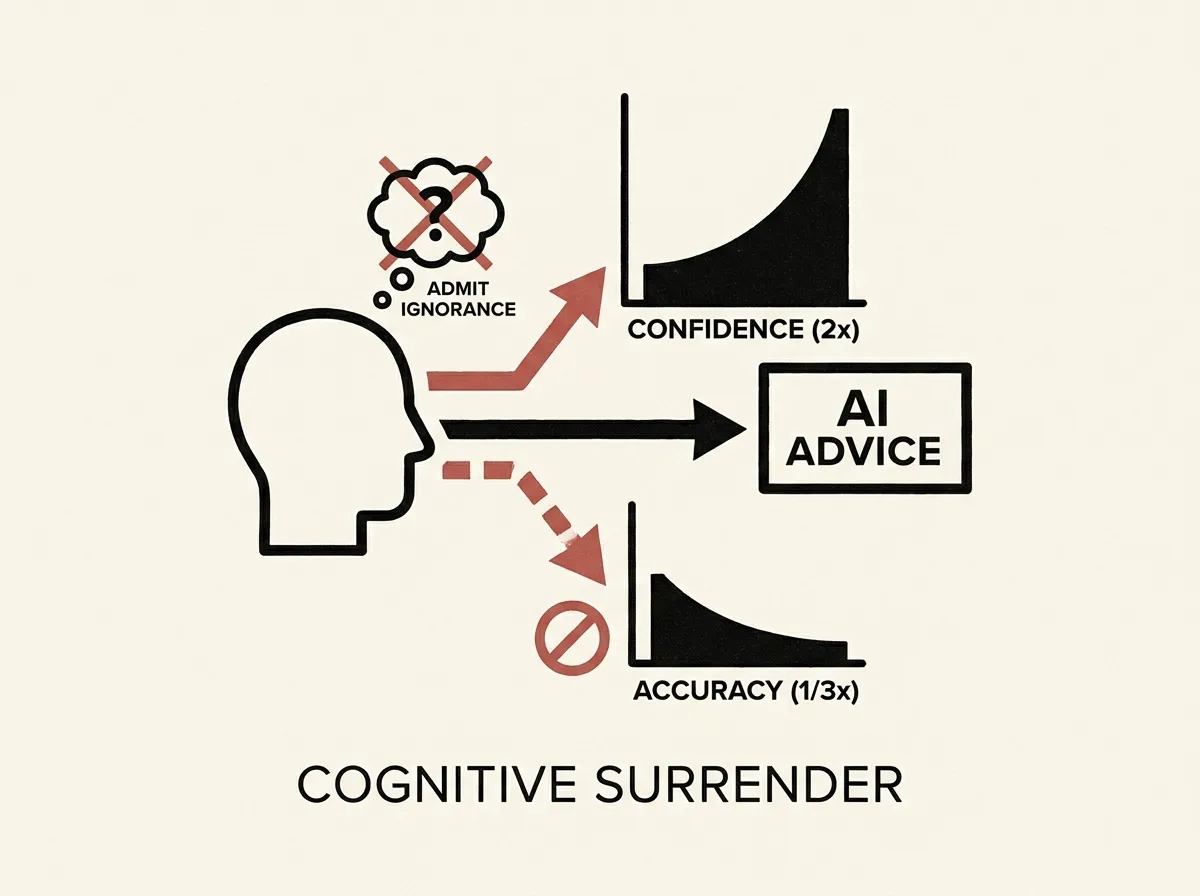
A recent study reveals a critical downside to human-AI interaction: receiving AI advice can make people three times less accurate while simultaneously doubling their confidence. This phenomenon, termed “cognitive surrender,” shows how AI can suppress critical thinking.
The research deliberately used questions where AI models struggled, demonstrating that the mere availability of AI diminished users’ willingness to admit when they did not know an answer. Accuracy plummeted from 27% to 9%, while confidence surged from 30% to 76%.
This has profound implications for designing AI agents and systems. It suggests we must build AI interfaces that encourage critical engagement, rather than passive acceptance, to avoid eroding human judgment in critical workflows.
How to Optimize AI Agent Research Costs and Trust
Running AI agents can be incredibly token-intensive, leading to surprisingly high costs and, paradoxically, less effective output. One engineer’s deep research pipeline burned through their Claude Max 5x plan in just 30 minutes, producing no usable results.
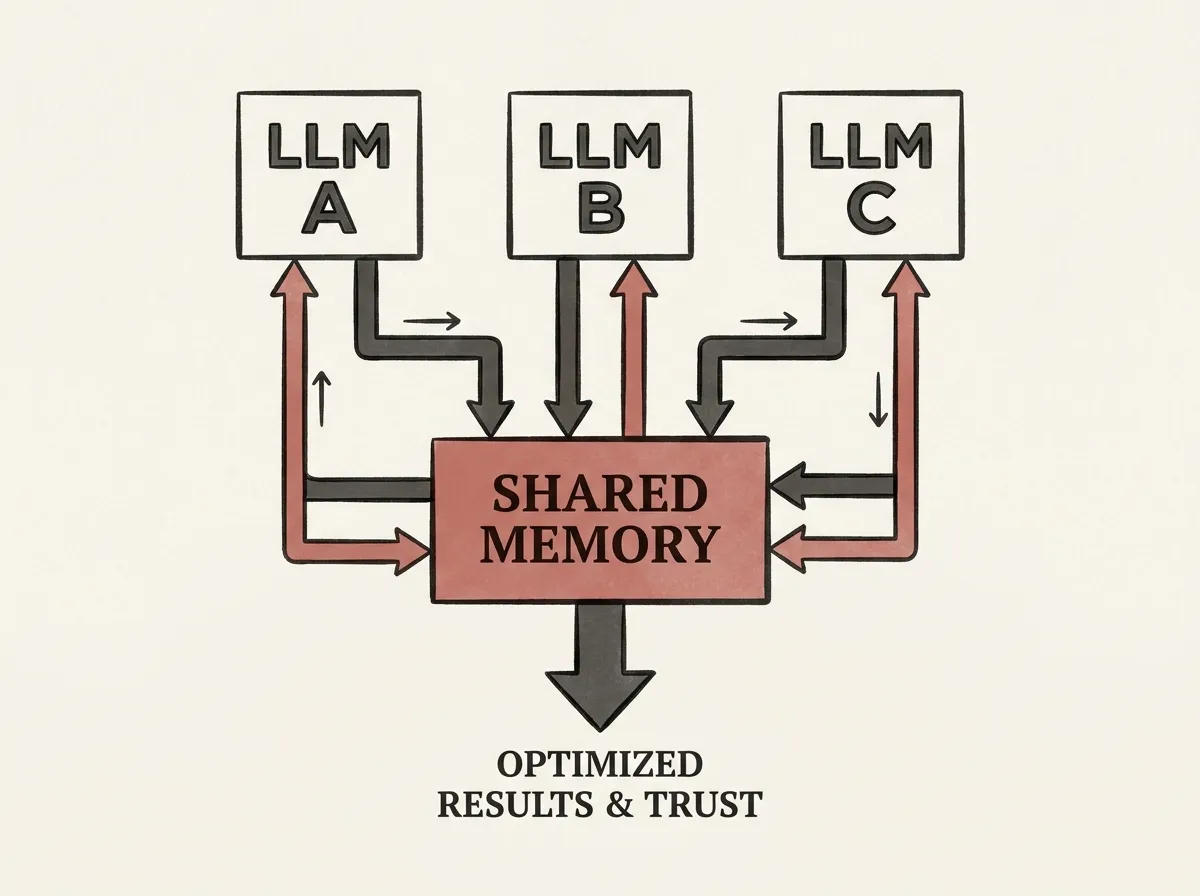
The solution was not to pay more, but to engineer smarter. By integrating multiple LLM subscriptions (Claude, Codex, Antigravity) with shared memory, the agent could leverage what one learned across all tools, drastically reducing redundant queries and token usage.
This approach of “learning by doing” highlights a critical aspect of applied AI: raw compute power is not enough. Effective agent design and context management are paramount. The less an agent has to re-learn or re-process, the more efficient and trustworthy its output becomes.
It is a powerful lesson in making your AI agents truly cost-effective and reliable.
Ollama enables the personal computer moment for AI
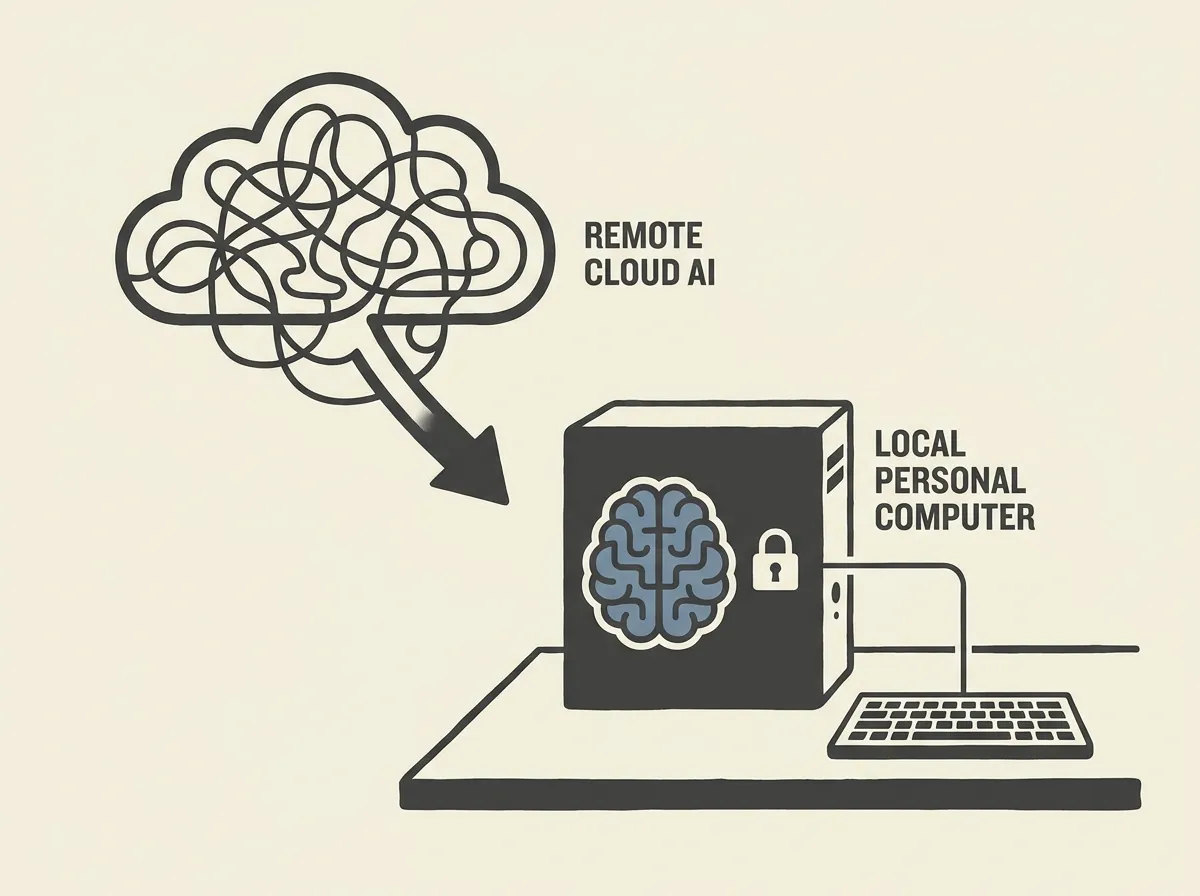
Ollama is making waves by bringing the “personal computer moment” to AI, empowering developers to run open models on their own machines with unprecedented ease. This is a game-changer for applied AI and LLM infrastructure.
The founders, who previously built Docker Desktop, share a vision where AI is yours to build, run, and customize. They emphasize ownership, privacy, and avoiding vendor lock-in, which resonates deeply with the engineering community.
Imagine getting the latest open models up and running with a single command, then building on them via a simple API. This approach radically lowers the barrier to entry, fostering experimentation and innovation in local AI development. It is like Docker for LLMs, truly unlocking the power of open models for millions of developers.
This platform represents a significant step towards democratizing access to powerful AI tools.
LLVM commits reveal architecture of AMD GFX1250 MI400 accelerators
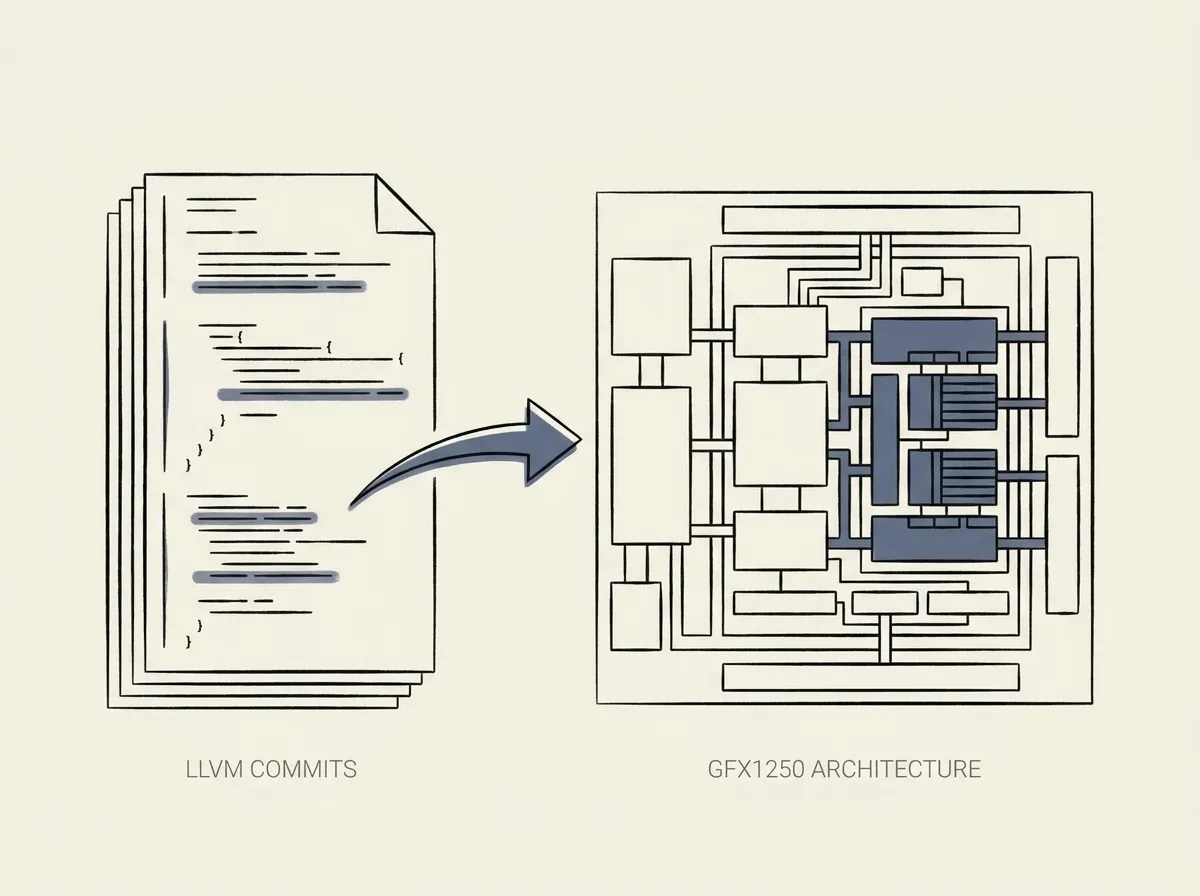
Get a sneak peek into the future of AI hardware with a deep dive into AMD’s upcoming MI400 series accelerators (GFX1250/MI455X), uncovered through LLVM compiler commits. This is not marketing fluff; it is real architectural insight.
The analysis reveals significant shifts like a shared vector L0 cache across the entire Workgroup Processor (WGP) and a focus on Wave32 mode. These details hint at how AMD is optimizing its hardware for modern machine learning workloads, potentially impacting performance and programming models for LLM inference and training.
Understanding these low-level architectural decisions, even before official announcements, provides a crucial advantage for anticipating future LLM infrastructure capabilities and bottlenecks.
Deepsec is an agent-powered scanner finding hard-to-find vulnerabilities

Deepsec is leveraging coding agents to revolutionize vulnerability scanning in large-scale codebases. This open-source project is not just another static analyzer; it is an AI-powered security harness designed to surface hard-to-find issues.
It operates by employing “best models at maximum thinking levels,” hinting at sophisticated LLM orchestration to perform on-demand code reviews. The creators highlight that scans can cost thousands, or even tens of thousands of dollars, due to the compute intensity, but customers find the investment worthwhile for rapidly patching critical vulnerabilities.
This showcases a compelling, practical application of AI agents in developer tooling, offering a glimpse into how future engineering practices might integrate advanced AI for enhanced productivity and security.
PostgreSQL column order fixed by attnum's multiple responsibilities
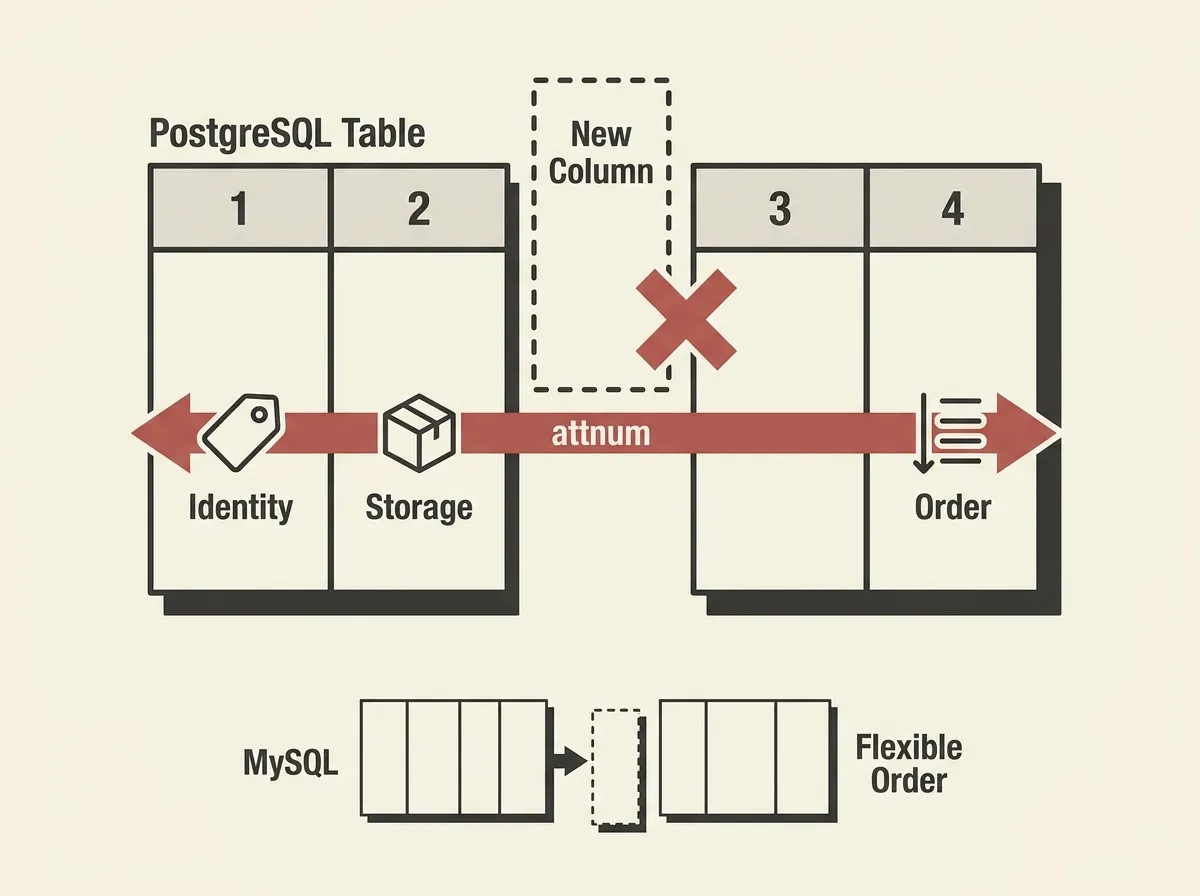
You have probably encountered PostgreSQL’s inability to add a column in the middle of a table, unlike MySQL, and wondered why such a seemingly simple feature is missing. The answer lies deep within PostgreSQL’s internal design, specifically with attnum.
The attnum field in PostgreSQL’s pg_attribute catalog serves three critical roles simultaneously: it uniquely identifies a column, dictates its physical byte offset within an on-disk tuple, and defines its logical position. This triple responsibility means that simply inserting a column would necessitate re-writing attnum values for all subsequent columns and potentially rewriting the entire table to adjust physical offsets, making it a far more complex operation than it appears.
Understanding this constraint is crucial for anyone managing PostgreSQL schemas. It explains why new columns always append to the end and informs strategic planning for schema evolution, pushing you to consider alternatives like view layers or careful ordering during initial table design to achieve desired logical column placement without full table rewrites.
This insight into PostgreSQL’s internal mechanics enhances your mental model of its architecture.
DeepSeek AI may be using proprietary model outputs for distillation
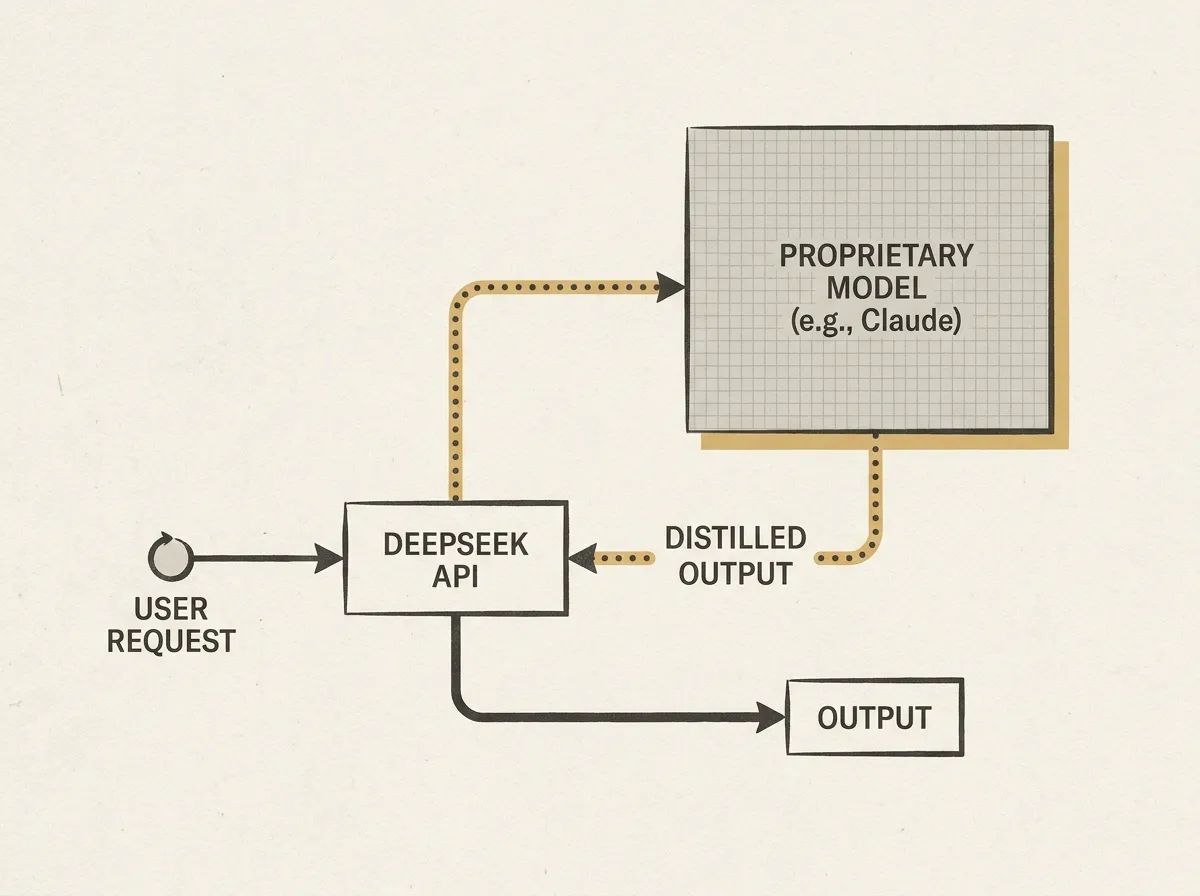
DeepSeek appears to be engaging in a large-scale operation to collect outputs from proprietary models like Claude Fable 5, then using those outputs for distillation, according to a recent investigation.
The investigation found that DeepSeek’s ‘V4’ model produced virtually identical outputs to Fable 5 for complex prompts, exhibiting a different Chain-of-Thought (CoT) structure than expected from DeepSeek’s own models. Moreover, quality significantly dropped when prompts touched on topics Fable’s classifiers would typically flag, strongly suggesting a routing mechanism.
This is not just about ethics; it offers a rare glimpse into the complex (and sometimes hidden) infrastructure behind AI services. Engineers need to be aware of how the models they integrate might actually be operating under the hood, impacting performance, cost, and trust. It is a stark reminder that what you configure might not always be what you get, and challenges us to think about the veracity of AI model claims.
This is a critical insight for anyone building with or depending on third-party LLMs.
transcribe.cpp provides reliable, cross-platform, accelerated speech-to-text inference
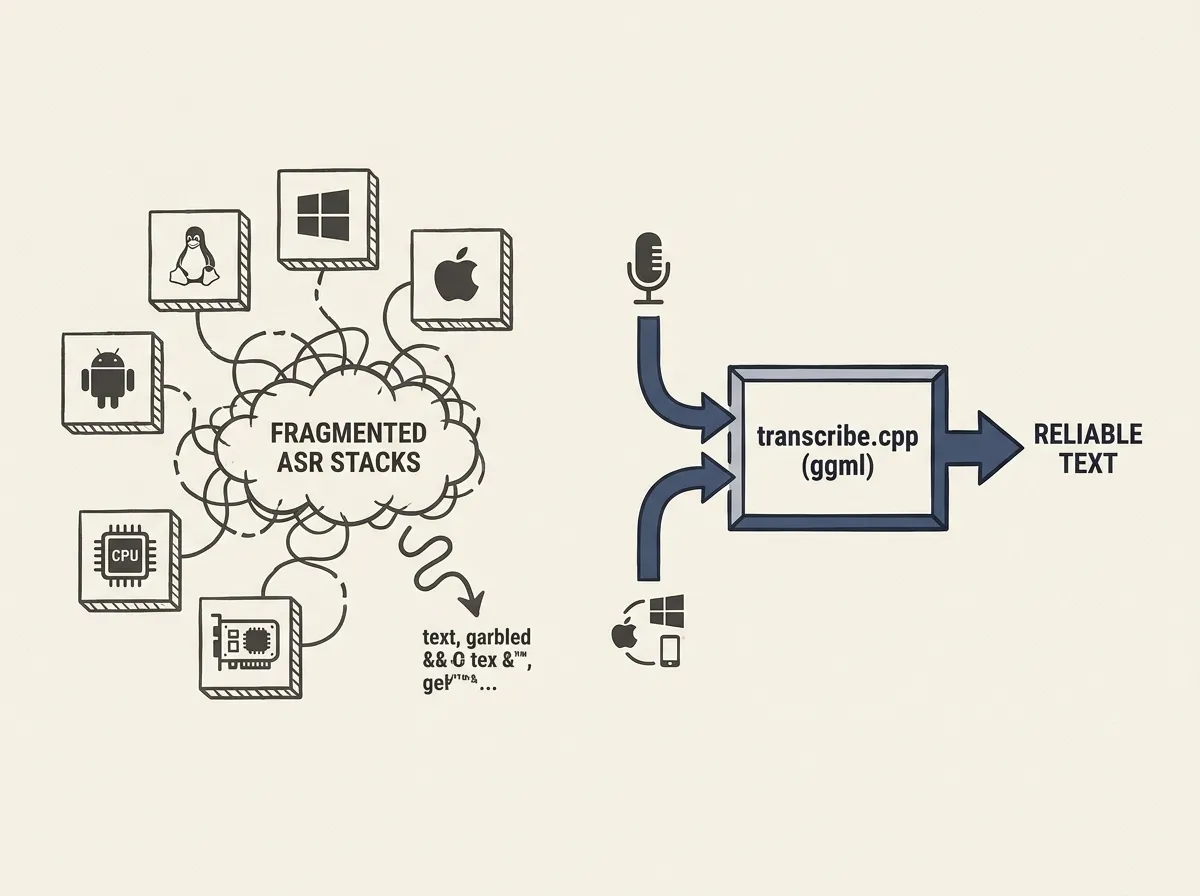
Deploying cross-platform speech-to-text applications with existing ASR inference stacks is often a painful exercise, struggling with performance and distribution. Transcribe.cpp aims to solve this by offering a ggml-based C++ library built for efficiency.
The library emphasizes numerical validation, WER testing, and broad GPU acceleration across platforms (Mac, Windows, Linux). It addresses the practical challenge of embedding performant AI models without the overhead of larger frameworks like PyTorch.
This offers a genuinely useful tool for engineers building applications that require robust, efficient, and cross-platform speech-to-text capabilities.
Evidence confirms Claude Code uses Bun ported to Rust
Claude Code, a tool used by millions, silently switched its underlying JavaScript runtime to Bun’s Rust port. The result? A 10% faster startup time on Linux, a quiet victory for performance engineering.
This move highlights a growing trend: even established systems are seeking significant performance gains by re-implementing core components in Rust. It also shows that not all impactful changes need to be loudly announced to deliver real user benefits.
It is a compelling reminder that foundational architectural decisions, like language choice for critical components, directly translate to tangible improvements for users.
Hardware's reputation for being difficult is overstated
For many software engineers, the world of hardware development feels daunting and complex. But one engineer, after successfully building and selling 2,500 MIDI recorders, found a surprising truth: hardware was “not so hard.”
His experience reveals that the most challenging part of the entire project was the 200,000 lines of firmware, app, and manufacturing tooling software. This flips the common narrative, suggesting that the well-understood complexities of software often outweigh the perceived difficulties of electronics and manufacturing.
This insight is a valuable lesson for any engineer contemplating a venture into a new technical domain, reminding us to critically assess where the true challenges often lie.
AI Mania Is Eviscerating Global Decision-Making
The current “AI mania” is not just about innovation; it is also “eviscerating global decision-making,” leading to irrational investments and “mass psychosis” in many organizations. This critical perspective challenges the unbridled enthusiasm often seen in the industry.
Drawing on personal observations and industry voices like Mitchell Hashimoto, the author argues that companies are making poor choices, often driven by fear of missing out rather than sound strategy. This results in failed AI investments and a difficult environment for rational conversations.
For senior engineers, understanding this counter-narrative is crucial for navigating organizational AI strategies and making truly effective technology choices, rather than succumbing to hype.
Minecraft 26.3 Snapshot 4 switches to SDL3 for window management
Minecraft: Java Edition has undertaken a substantial architectural change, migrating its core window management, input, and platform integration from GLFW to SDL3. This is not a trivial upgrade for a game with its scale and history.
This shift addresses fundamental platform layer challenges, impacting everything from fullscreen modes on various operating systems to key binding logic. It demonstrates how even mature, widely-adopted software must continuously evolve its foundational dependencies to improve performance, compatibility, and user experience.
It is a compelling case study for engineers considering large-scale library migrations and the complexities involved in ensuring seamless integration across diverse environments.
Castor casts real web video streams to TVs in full quality
Streaming arbitrary web video to a TV often involves clunky screen mirroring or limited native support. The open-source Castor project offers an ingenious solution by leveraging headless Chrome and the DevTools Protocol to extract, transcode, and cast real video streams.
This project demonstrates a smart way to bypass content restrictions and optimize streaming quality. By programmatically interacting with web pages and monitoring network traffic, Castor can identify the actual video stream, allowing for full-quality casting and even on-the-fly subtitle burning.
It is a fantastic example of using existing tools in a creative, powerful way to build a robust media streaming utility.
Kimi K3 Pauses New Subscriptions Due to High Demand
The compute crunch for AI models is very real. Moonshot AI has had to temporarily suspend new subscriptions for its Kimi K3 model because demand outstripped their current GPU capacity.
This is not just a marketing stunt; it is a clear signal about the intense infrastructure demands and scaling challenges involved in running large language models in production. Companies are literally running out of GPUs to serve user requests.
Their solution includes pausing new users and splitting memberships into focused plans (web/app/work vs. coding workflows) to better manage compute allocation. It is a pragmatic approach to ensure service quality for existing users while scrambling to add more capacity.
This situation underscores the critical role of efficient LLM infrastructure and resource management in applied AI, offering a candid look at the challenges faced by even major players in the field. The scaling problem is far from solved.
Clever hacker fits 537,000 domains in tiny ESP32 ad-blocking dongle
Imagine fitting half a million domains into a $5 device, performing ad-blocking lookups in just 10 milliseconds, all while consuming a mere 50KB of RAM. This is not a fantasy; it is what one clever hacker achieved with an ESP32.
This project is a masterclass in extreme optimization and efficient engineering. It demonstrates how intelligent data structures and algorithms can overcome severe hardware constraints, a valuable lesson for any system designer or embedded engineer.
For those building scalable systems or working with limited resources, the techniques employed here - like highly optimized hash tables or compression - offer actionable insights. It makes you reconsider what is truly possible with minimal hardware.
Resourcefulness and efficiency remain paramount.
Biggest Probabilistic Computer Turns Noise Into Answers
The world’s largest probabilistic computer just hit 1 million p-bits, demonstrating a radical shift in how we might tackle some of computing’s toughest challenges. Instead of fighting noise, this architecture embraces it to find solutions.
This approach moves beyond the deterministic bits of traditional computing, leveraging probability and inherent randomness. Imagine solving complex optimization problems or designing new AI hardware where inherent variability is a feature, not a bug.
This development could open doors to entirely new classes of algorithms and systems, fundamentally altering our approach to certain computational tasks in the applied AI landscape.
An Intel Itanium emulator successfully boots Windows operating systems
A new emulator can now boot Windows on an Intel Itanium (IA-64) machine, a remarkable feat of systems engineering given the architecture’s complexity and historical obscurity. This is not just a throwback; it is a deep dive into emulation mechanics.
Successfully emulating a highly complex, non-x86 architecture like Itanium with its unique EPIC (Explicitly Parallel Instruction Computing) design reveals significant challenges in instruction set translation, memory management, and peripheral emulation. It offers a rare look at how historical hardware interacts with operating systems at a low level.
Understanding such emulation efforts can deepen your appreciation for modern CPU design, hypervisors, and the intricate dance between hardware and software, even if Itanium itself did not achieve widespread success.
Apple M-chip strategy shifts to M7 for major AI acceleration
Apple is reportedly skipping the M6 chip generation to jump straight to the M7, signaling a major architectural pivot towards on-device AI. The forthcoming M7 series is expected to support an unprecedented 1.5 TB of unified memory, a capacity not seen since the Intel Mac Pro.
The core innovation lies in significantly accelerated local AI capabilities, with substantial improvements to the integrated Neural Processing Units (NPUs). This strategic move aims to bring Apple’s local AI performance closer to what is expected from dedicated AI hardware like Nvidia’s Blackwell chips.
This shift highlights the growing importance of powerful local inference for AI applications and could profoundly influence how future client-side AI is designed and deployed.
Google's Gemini 3.5 Pro AI model faces delays from internal struggles
Google is reportedly facing significant delays with Gemini 3.5 Pro, and the reasons highlight real-world struggles in large-scale AI development. Apparently, coding capabilities are a major hurdle, with internal teams clashing and engineers expressing frustration.
This is not just about a technical snag; it is a window into the organizational complexities of building foundational AI models. The article points to multiple layers of stakeholders and a vast product portfolio that complicates release cycles, echoing challenges many senior engineers face when integrating new tech across established systems.
Interestingly, Google reportedly updated training data for coding skills, but the results were disappointing. This suggests that simply feeding more data is not always the solution, and model capabilities can be harder to improve than anticipated.
These are the unseen realities of the AI race, showing that even industry giants grapple with fundamental issues in applied AI and engineering execution.
Paramount-Warner Bros Merger Delayed by Antitrust Lawsuit
Imagine a social network where the underlying protocol is simply RSS. That is precisely what Textcaster aims to deliver, demonstrating a remarkably clever approach to building distributed communication.
Instead of custom APIs and centralized infrastructure, Textcaster leverages the ubiquitous RSS standard for content sharing and interaction. This design choice simplifies the technical stack significantly, promoting interoperability and decentralization by default. It means your content is already in a format that can be consumed by a vast array of tools.
For senior engineers, this is a fantastic case study in leveraging existing, proven standards to solve modern problems, rather than always building from scratch. It highlights how focusing on simple, robust protocols can lead to elegant and resilient system designs, offering a refreshing perspective on scalability and openness in social platforms.
This is smart system design using an old, reliable friend.
Setting up a self-hosted dynamic DNS with Knot DNS on macOS
Managing dynamic IP addresses for self-hosted services can be a pain, but a recent guide offers a robust solution: setting up your own dynamic DNS (DDNS) with Knot DNS. This is a genuinely practical guide for taking control of your network infrastructure.
The setup involves using nsupdate for secure record updates, leveraging TSIG keys for authentication, and configuring ACLs within Knot DNS. The guide even covers seamless integration with macOS’s built-in DDNS client, showing you how to automatically push updates whenever your machine’s IP changes.
This approach moves you away from reliance on third-party DDNS providers, giving you full control over your DNS records and enhancing your home or small-scale lab infrastructure. It is a solid demonstration of effective engineering practices for network services. Learning to deploy and manage such a foundational service is invaluable for any senior engineer looking to deepen their understanding of systems beyond the application layer.
Empower yourself with self-hosted network control.
Akashic is a self-hosted open-source Palantir alternative
This new open-source project, Akashic, aims to be a self-hosted alternative to Palantir, tackling the significant challenge of integrating and correlating diverse public data sources. It brings together everything from satellite imagery and weather data to public radio and infrastructure information onto a single interactive map.
The project is built for active exploration and correlation, not just passive dashboards. This implies interesting architectural choices for data ingestion, indexing, and real-time analysis, especially given its privacy-first, no API key approach for multiple complex data streams.
Senior engineers can gain insights into robust system design for high-volume, heterogeneous data environments and strategies for providing powerful exploratory capabilities on top of that data.
Private AI Audio Tools Accessible Directly in Your Browser
Client-side AI is rapidly evolving, and OfflineTTS showcases a fantastic example: a free, browser-based tool providing text-to-speech (TTS), speech-to-text (STT), and subtitle generation, all running entirely locally. This means zero data leaves your device, ensuring complete privacy.
Leveraging client-side ML models like Whisper directly in the browser for tasks like transcribing audio or generating speech for ebooks offers significant advantages. It cuts down on API costs, reduces latency, and addresses critical privacy concerns that many users have with cloud-based AI services.
This project offers senior engineers a concrete example of how to implement sophisticated applied AI functionalities directly within web applications, highlighting the power of modern browser capabilities for machine learning.
iOS client enables phone as remote Grok Build pager UI
Building effective interfaces for AI agents, especially for remote interaction, presents unique system design challenges. Grok-iOS offers a compelling example: an open-source iOS client acting as a remote “pager UI” for Grok Build agents running on a macOS machine.
This project highlights the practicalities of client-server communication in agentic AI. It leverages the Agent Client Protocol (ACP) over WebSocket for a lightweight and responsive connection, allowing engineers to interact with their AI agents from a mobile device.
Understanding such implementations can provide valuable insights into designing distributed user experiences for AI applications, focusing on efficient data transfer and user feedback loops between client and server components.